

The Science of Botanical Skincare Ingredients | Mayka Skincare
- May 4
- 10 min read
Updated: May 5
The Science Behind the Botanicals: Deep Dive into Mayka Skincare's Key Ingredients
At Mayka Skincare, we believe in the power of nature — but we don't just choose ingredients because they sound nice. Every botanical butter, oil, and extract in our formulations is selected based on its specific biochemical properties and how it interacts with your skin and hair. In this deep dive, we explore the science behind our most important botanical ingredients, looking at their fatty acid profiles, antioxidant levels, and the precise mechanisms that make them so effective.
1. Kokum Butter (Garcinia indica)

Native to the Western Ghats region of India, Kokum butter is extracted from the seeds of the Garcinia indica tree. It is one of the hardest and most stable vegetable butters known to cosmetic science.
The Science:
Unlike many other butters, Kokum is extraordinarily rich in stearic acid (40–45%) and oleic acid (40–50%). Stearic acid provides structure and emolliency without feeling heavy, while oleic acid acts as a penetration enhancer, helping other beneficial compounds absorb deeper into the skin. Kokum butter is non-comedogenic and has a highly uniform triglyceride composition, making it excellent for regenerating skin cells and supporting elasticity. Its melting point is just above body temperature, which means it melts on contact with skin and hair, delivering nutrients exactly where they are needed.
Key Properties:
Anti-inflammatory · Deeply emollient · Skin regenerating · Non-comedogenic · Cuticle-smoothing for hair
Found in:
2. Babassu Oil (Orbignya cohune)

Extracted from the nuts of the Babassu palm native to the Amazon rainforest, this oil is a superior, lightweight alternative to coconut oil. It is prized by formulators for its silky, non-greasy texture and exceptional protective properties.
The Science:
Babassu oil is a 'lauric oil,' composed of approximately 50% lauric acid — a medium-chain fatty acid with a melting point close to human body temperature. This is why Babassu oil melts beautifully on contact with skin and hair, providing a cooling sensation. Lauric acid has significant antimicrobial properties and is highly protective against transepidermal water loss (TEWL) without leaving a greasy residue. It also consists of about 90% saturated fatty acids, which makes it extremely stable and resistant to oxidation — meaning it has a long shelf life and won't go rancid quickly.
Key Properties:
Lightweight · Non-greasy · UV-protective · Antimicrobial · Ideal for low-porosity hair
Found in:
3. Sea Buckthorn Oil (Hippophae rhamnoides)

Extracted from the vibrant orange berries of the Sea Buckthorn shrub — a plant that thrives in harsh, cold climates from Siberia to the Himalayas — this oil is one of the most nutritionally dense botanical ingredients in existence.
The Science:
Sea Buckthorn oil is exceptionally rare because it is one of the only known plant sources that contains all four omega fatty acids: Omega-3 (alpha-linolenic acid), Omega-6 (linoleic acid), Omega-9 (oleic acid), and the elusive Omega-7 (palmitoleic acid). Palmitoleic acid is a natural component of human skin sebum, and applying it topically strongly supports tissue regeneration and wound healing. The intense orange colour of the oil comes from a massive concentration of carotenoids (including beta-carotene), which are potent antioxidants that stimulate collagen synthesis and protect the skin against oxidative stress and UV-induced damage. Research published in Frontiers in Nutrition (2022) identified Sea Buckthorn as containing over 190 bioactive compounds.
Key Properties:
Collagen-stimulating · Antioxidant-rich · Tissue-regenerating · Anti-ageing · Omega-7 source
Found in:
4. Avocado Oil & Butter (Persea gratissima)

Cold-pressed from the flesh of ripe avocados, avocado oil and its hydrogenated butter form are among the most nutritionally complete oils available for cosmetic use.
The Science:
Avocado oil is exceptionally rich in oleic acid (60–80%), a monounsaturated omega-9 fatty acid that penetrates deeply into the hair shaft and skin dermis. It is also a significant source of vitamins A, D, E, and B5 (pantothenic acid), as well as plant sterols (beta-sitosterol) that reduce inflammation and improve skin elasticity. A 2024 review in Applied Sciences found avocado oil to be one of the most effective plant oils for topical wound healing and skin barrier repair. Hydrogenated avocado butter adds the same benefits in a solid, slow-melting form that coats and seals the hair cuticle.
Key Properties:
Deep penetrating · Frizz-reducing · Vitamin-rich · Cuticle-sealing · Barrier-repairing
Found in:
5. Hemp Seed Oil (Cannabis sativa)

Cold-pressed from hemp seeds, this vibrant green oil contains no THC or CBD — it is purely a carrier oil extracted from the seed, not the plant. It is one of the most perfectly balanced oils for human skin biology.
The Science:
Hemp seed oil has a lipid profile that closely mimics the skin's own natural lipids. What makes it truly special is its high content of Gamma-Linolenic Acid (GLA) — a powerful anti-inflammatory omega-6 fatty acid that helps fortify the skin barrier, soothe irritation, and regulate sebum production. This makes it equally effective for dry, aging skin and acne-prone skin. It also has a near-perfect 3:1 ratio of Omega-6 to Omega-3 fatty acids, which is considered optimal for cellular health and skin barrier function.
Key Properties:
Anti-inflammatory · Sebum-balancing · Barrier-strengthening · GLA-rich · Biocompatible
Found in:
6. Palmarosa Essential Oil (Cymbopogon martini)

Distilled from a tall, aromatic grass native to India, Palmarosa has a sweet, floral scent reminiscent of rose and geranium. It is one of the most versatile essential oils in natural cosmetics.
The Science:
The therapeutic power of Palmarosa oil lies in its exceptionally high concentration of geraniol — a monoterpene compound that typically makes up more than 80% of the oil's composition. A landmark 2025 study published in Pharmaceutics demonstrated that geraniol exerts strong antibacterial and antifungal activity by disrupting the cell membrane integrity of pathogens, including Staphylococcus aureus strains responsible for scalp infections and acne. Beyond its antimicrobial properties, Palmarosa stimulates cellular regeneration and helps regulate sebum production, making it excellent for balancing both dry and oily skin types.
Key Properties:
Antibacterial · Antifungal · Sebum-balancing · Cell-regenerating · Scalp-soothing
Found in:
7. Rosemary Essential Oil (Rosmarinus officinalis)

One of the most researched botanical ingredients for hair health, Rosemary essential oil has a long history of use in traditional medicine for stimulating hair growth and improving scalp circulation.
The Science:
Rosemary oil's primary active compounds — 1,8-cineole (eucalyptol), camphor, and rosmarinic acid — work synergistically to improve microcirculation in the scalp, delivering more oxygen and nutrients to hair follicles. A landmark 2015 randomised controlled trial published in SKINmed found rosemary oil to be as effective as 2% minoxidil for treating androgenetic alopecia (pattern hair loss) after six months of use, with significantly fewer side effects. A 2026 study in the Journal of Pharmaceutical Research confirmed that 10% Rosmarinus officinalis essential oil significantly increased hair length, follicle diameter, and VEGF (vascular endothelial growth factor) levels in treated subjects.
Key Properties:
Hair-growth stimulating · Scalp-circulation boosting · Antioxidant · Anti-dandruff · Anti-inflammatory
Found in:
8. African Black Soap (Plantain Ash & Cocoa Pod Ash)
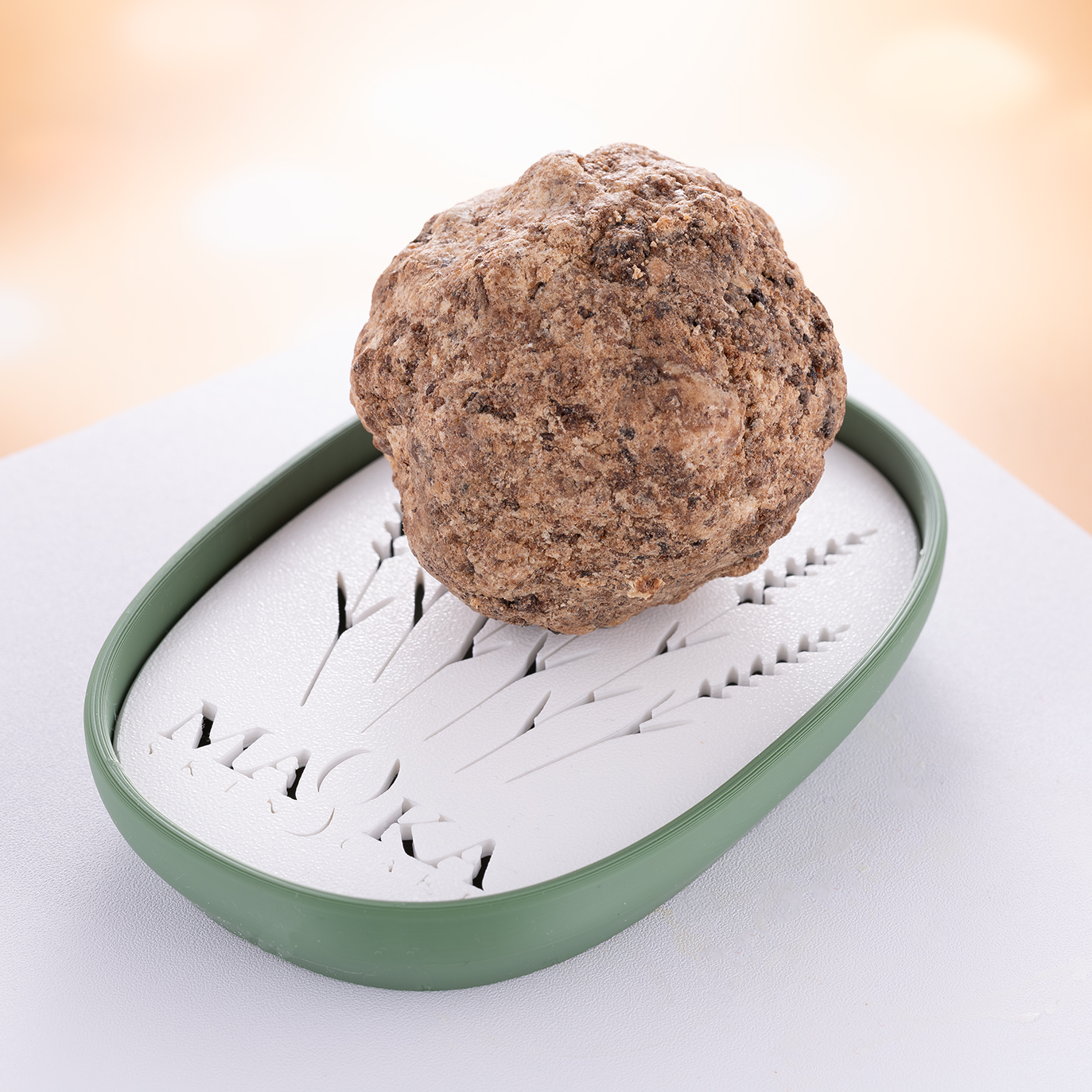
A traditional West African skincare staple with centuries of use, African Black Soap is made by roasting plantain peel and cocoa pod husks to create a potassium-rich ash, which is then combined with plant oils and butters.
The Science:
The ash base of African Black Soap creates a naturally alkaline environment that gently lifts impurities and excess sebum from the skin without stripping its natural moisture barrier. The high potassium content acts as a natural exfoliant and antimicrobial agent. The cocoa pod ash provides a rich source of antioxidants, while the plantain ash delivers vitamins A, E, and iron. Clinical studies have shown African Black Soap to be effective in reducing acne lesions, hyperpigmentation, and symptoms of eczema, making it one of the most versatile cleansing ingredients in natural skincare.
Key Properties:
Deep-cleansing · Antimicrobial · Natural exfoliant · Antioxidant-rich · Acne-reducing
Found in:
9. Grapefruit Essential Oil (Citrus paradisi)

Cold-pressed from the peel of the grapefruit, this uplifting citrus oil offers far more than just an invigorating sensory experience. It is a highly active botanical with specific dermatological benefits for the skin's surface and underlying tissue.
The Science:
Grapefruit essential oil is predominantly composed of d-limonene (typically 88–95%), a powerful terpene with documented antioxidant and anti-inflammatory characteristics. D-limonene acts as a natural penetration enhancer, temporarily modifying the stratum corneum to allow other beneficial lipid-soluble ingredients to absorb more deeply into the dermis. Furthermore, it possesses astringent properties that help regulate sebaceous gland activity, making it highly effective at balancing oily skin and maintaining clear pores without stripping natural moisture. It also stimulates the lymphatic system, which aids in the removal of toxins from skin tissues.
Key Properties:
Astringent · Penetration-enhancing · Lymphatic-stimulating · Antioxidant · Clarifying
Found in:
10. Calendula Extract (Calendula officinalis)

Derived from the vibrant orange marigold flower, Calendula has been utilised in traditional herbal medicine for centuries. Today, rigorous clinical analysis confirms its profound wound-healing and skin-soothing capabilities, making it indispensable for compromised skin barriers.
The Science:
The pharmacological activity of Calendula is driven by its dense concentration of triterpenoid esters, particularly faradiol and taraxasterol. These specific compounds exhibit potent anti-inflammatory effects by inhibiting the pro-inflammatory enzymes cyclooxygenase and lipoxygenase. Additionally, the flower is exceptionally rich in flavonoids and carotenoids that stimulate fibroblast proliferation — the cells responsible for producing new collagen. This dramatically accelerates tissue regeneration and the healing of micro-tears in the skin barrier, making it ideal for severely dry, chapped, or irritated skin.
Key Properties:
Wound-healing · Anti-inflammatory · Collagen-stimulating · Barrier-repairing · Deeply soothing
Found in:
11. Argan Oil (Argania spinosa)

Often referred to as 'liquid gold', this precious oil is extracted from the kernels of the Argan tree, which is endemic to the calcareous semi-desert of southwestern Morocco. It is one of the most highly prized cosmetic oils in the world.
The Science:
Argan oil's unique biochemical profile features a perfect balance of oleic acid (43–49%) and linoleic acid (29–36%), but its true power lies in its unsaponifiable fraction. It contains exceptionally high levels of gamma-tocopherol (the most active form of Vitamin E for neutralising free radicals) and rare plant sterols like schottenol and spinasterol. These specific phytosterols have been clinically shown to improve skin metabolism, reduce inflammation, and significantly enhance moisture retention by reinforcing the intercellular lipid matrix. It absorbs rapidly without leaving a greasy film, making it an exceptional anti-ageing active.
Key Properties:
Deeply moisturising · Antioxidant-rich · Elasticity-improving · Rapidly absorbing · Anti-ageing
Found in:
12. Shea Butter (Vitellaria paradoxa)

Extracted from the nuts of the African Shea tree, this rich botanical butter is a foundational ingredient in natural skincare, renowned for its unparalleled emollient and skin-protecting properties.
The Science:
What elevates Shea Butter above other plant lipids is its extraordinarily high percentage of unsaponifiable compounds (up to 17%, compared to 1% or less in most seed oils). This fraction is rich in triterpene alcohols, specifically lupeol and amyrin cinnamates. Research demonstrates that lupeol inhibits enzymes that degrade skin proteins, actively protecting collagen and elastin from breakdown. Additionally, its complex profile of stearic and oleic acids creates a breathable, protective film over the epidermis that locks in hydration for extended periods, shielding the skin from harsh environmental factors and extreme weather.
Key Properties:
Highly emollient · Moisture-locking · Collagen-protecting · Environmental shield · Deeply nourishing
Found in:
13. Niacinamide (Vitamin B3)
While not a botanical oil, Niacinamide is a crucial, naturally-occurring water-soluble vitamin that has become one of the most extensively researched and validated ingredients in modern dermatology. We formulate with it to support the skin's structural integrity alongside our botanical extracts.
The Science:
Niacinamide operates as a precursor to two critical biochemical coenzymes: NAD+ and NADP+. These molecules are fundamental to cellular metabolism and repair. Applied topically, niacinamide significantly increases the biosynthesis of ceramides and other stratum corneum lipids, effectively strengthening the epidermal barrier and reducing transepidermal water loss (TEWL). Furthermore, it inhibits the transfer of melanosomes from melanocytes to keratinocytes, which visibly reduces hyperpigmentation, calms redness, and evens out overall skin tone. It is exceptionally well-tolerated by all skin types.
Key Properties:
Barrier-strengthening · Ceramide-boosting · Tone-evening · Redness-reducing · Pore-refining
Found in:
14. Coenzyme Q10 (Ubiquinone)
Coenzyme Q10 is a fat-soluble quinone that is naturally present in every cell of the human body. We incorporate this powerful bio-active compound alongside our plant oils to maximise cellular efficacy and combat the visible signs of ageing.
The Science:
CoQ10 is fundamentally essential for mitochondrial ATP synthesis — the biological process that generates the energy required for all cellular functions, including skin repair and regeneration. As we age, natural CoQ10 levels in the epidermis decline rapidly, leading to decreased cellular energy and increased susceptibility to oxidative stress. Applied topically, ubiquinone penetrates the viable layers of the epidermis where it neutralises reactive oxygen species (ROS) induced by UV radiation and pollution. Clinical studies show it significantly reduces the depth of fine lines and prevents the degradation of structural proteins like collagen.
Key Properties:
Cellular-energising · Deep-wrinkle reducing · Potent antioxidant · UV-damage mitigating · Protein-protecting
Found in:
The Mayka Difference
Every ingredient in our range is chosen with purpose. We don't add fillers, synthetic fragrances, or cheap filler oils — only botanicals with a proven scientific rationale for being there. From the fatty acid profiles of our carrier oils to the monoterpene chemistry of our essential oils, every formulation decision is backed by research.
Explore our full product range and discover which botanicals are working for your skin and hair.


