

African Black Soap Benefits for Skin: The Science Behind This Ancient Cleanser
- 6 days ago
- 9 min read
There are some skincare ingredients that have stood the test of centuries — not because of clever marketing, but because they genuinely work. African Black Soap is one of them. Used for generations across West Africa, particularly in Ghana and Nigeria, this unassuming dark bar has been cleansing, healing, and nourishing skin long before the modern beauty industry existed. And now, science is beginning to explain exactly why.
At Mayka Skincare, we source our African Black Soap directly from Ghana, where it is still produced using traditional methods passed down through families. In this post, we explore what the research actually says about this remarkable ingredient — and why it may be the most honest cleanser you will ever use.
What Is African Black Soap?
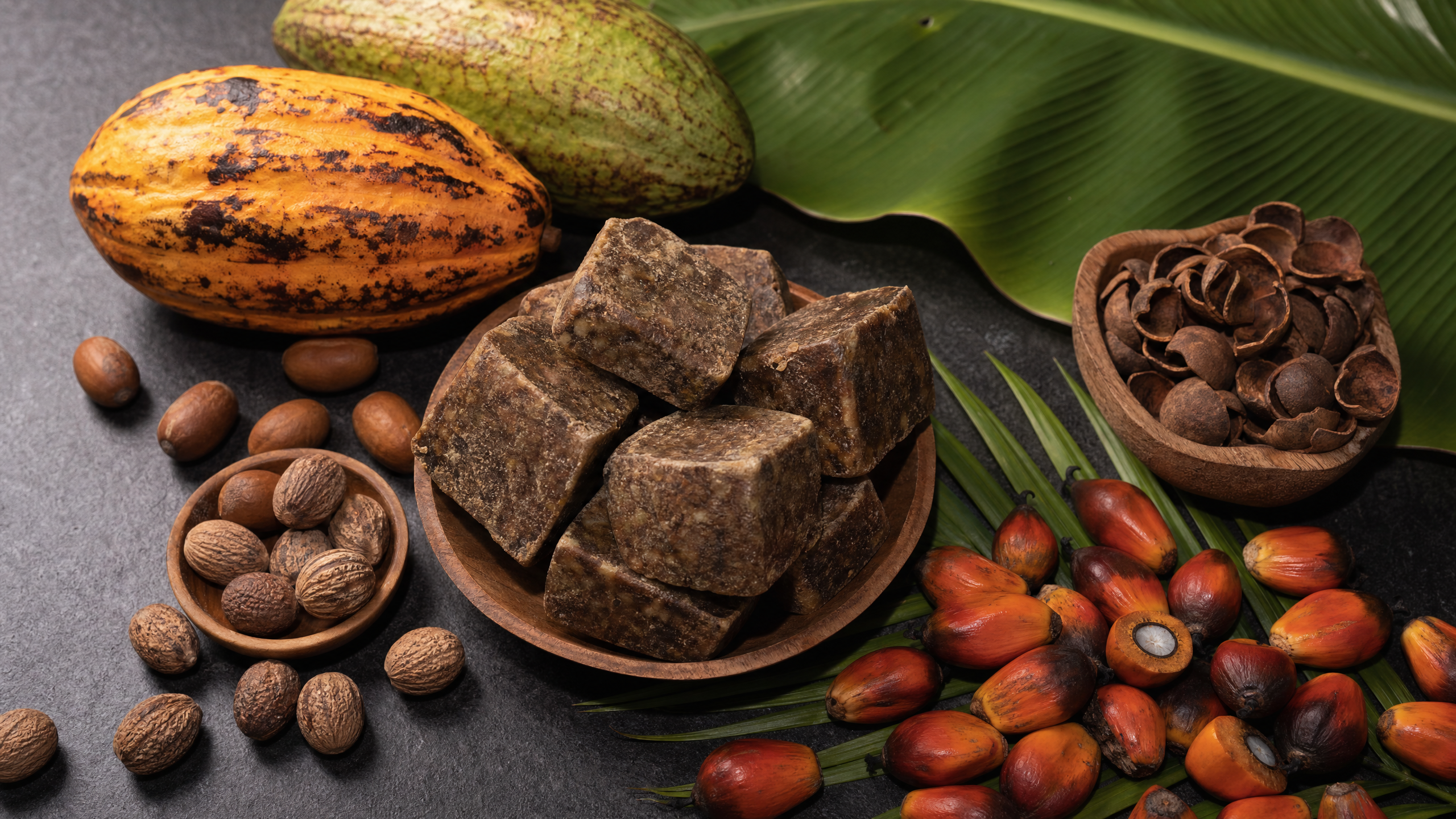
African Black Soap — known as ose dudu in Yoruba and alata samina in Twi — is a traditional soap made from plant-based ash and unrefined oils and butters. Unlike commercial soaps, which are typically manufactured with synthetic detergents and chemical preservatives, authentic African Black Soap contains only a handful of natural ingredients: the ash of cocoa pod husks, plantain skins, and palm leaves, combined with shea butter, palm kernel oil, and coconut oil.
The soap-making process is a form of saponification — the chemical reaction between an alkali (the ash-derived potassium hydroxide) and fatty acids (from the oils and butters). What makes African Black Soap distinctive is that the alkali is entirely plant-derived, and the oils used are unrefined, retaining their full complement of vitamins, antioxidants, and fatty acids.
A 2021 study published in Scientific African (PMID 33571401) conducted a comprehensive physicochemical and phytochemical analysis of African Black Soap samples from different regions of West Africa. The researchers confirmed the presence of flavonoids, tannins, saponins, and phenolic compounds — all of which contribute to the soap's documented antimicrobial and anti-inflammatory properties.
The Key Ingredients and What They Do
Cocoa Pod Ash
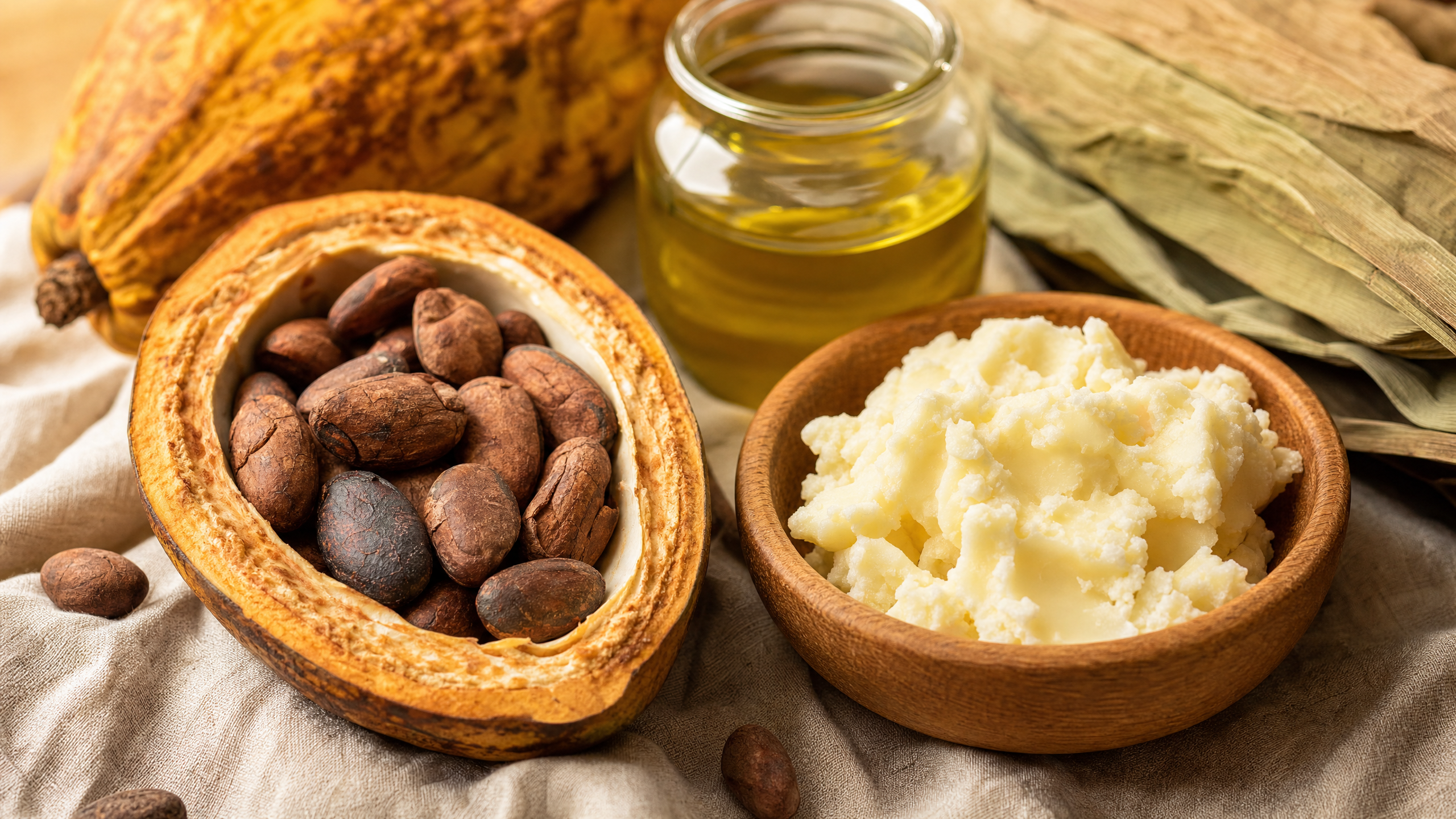
The outer husk of the cocoa pod (Theobroma cacao) is dried, roasted, and burned to produce a potassium-rich ash. This ash serves as the primary alkaline agent in the soap-making process. Research published in the Asian Journal of Research in Chemistry found that cocoa pod husk ash yields potassium hydroxide (KOH), which produces a softer, more skin-compatible soap than the sodium hydroxide used in conventional soap manufacturing.
Importantly, cocoa pod ash also contributes antioxidant compounds to the final soap. Cocoa-derived polyphenols — including epicatechin and catechin — have been shown in multiple studies to protect skin cells from oxidative stress and support the skin barrier function. The potassium content of the ash also helps maintain skin hydration by supporting the skin's natural moisture-retention mechanisms.
Plantain Skin Ash
The dried and burned skins of unripe plantains (Musa paradisiaca) are another key source of alkali in African Black Soap. Plantain skins are exceptionally rich in vitamins A and E, both of which are retained in trace amounts in the ash and contribute to the soap's skin-nourishing properties. Vitamin A (as beta-carotene precursors) supports cellular turnover and helps maintain the integrity of the skin barrier, while vitamin E acts as a lipid-soluble antioxidant, protecting cell membranes from free radical damage.
Research on plantain peel composition (PMC4573141) has confirmed that the peel contains significant levels of potassium, magnesium, and folic acid, as well as antioxidant phenolic compounds. These minerals and phytonutrients contribute to the soap's gentle, nourishing character — a quality that distinguishes it markedly from synthetic cleansers that strip the skin of its natural oils.
Shea Butter
Unrefined shea butter (Vitellaria paradoxa) is the primary moisturising component of African Black Soap. It is added after the saponification process to soften the soap and ensure that it does not over-dry the skin. Shea butter is one of the most extensively researched natural emollients, and its anti-inflammatory properties are well documented.
A study published in PubMed (PMID 22499721) demonstrated that the methanolic extract of shea butter significantly inhibits the expression of inducible nitric oxide synthase (iNOS) and cyclooxygenase-2 (COX-2) — two key enzymes involved in the inflammatory response. This mechanism explains why shea butter is so effective at calming redness, reducing swelling, and soothing irritated or reactive skin. The triterpene esters in shea butter — particularly lupeol, butyrospermol, and parkiol — are the primary bioactive compounds responsible for this anti-inflammatory activity.
Shea butter also contains oleic acid (40-60%), stearic acid (20-50%), and linoleic acid, which together provide deep moisturisation, support the skin's lipid barrier, and help regulate transepidermal water loss (TEWL). For anyone with dry, sensitive, or eczema-prone skin, this combination of emollient and anti-inflammatory action is particularly valuable.
Palm Kernel Oil
Cold-pressed palm kernel oil contributes to the soap's lathering properties and its cleansing efficacy. Rich in lauric acid — a medium-chain fatty acid with well-documented antimicrobial activity — palm kernel oil helps the soap effectively remove bacteria, excess sebum, and environmental pollutants from the skin surface without disrupting the skin's natural microbiome.
Lauric acid has been shown in research to be particularly effective against Cutibacterium acnes (formerly Propionibacterium acnes), the bacterium most closely associated with acne vulgaris. This antibacterial action, combined with the soap's ability to regulate sebum production, makes African Black Soap a logical choice for those managing oily or acne-prone skin.
What the Research Says: African Black Soap for Skin Conditions
Beyond its ingredient profile, African Black Soap has been studied directly for its effects on common skin conditions. A systematic review published in JAMA Dermatology and referenced in PMC5605219 examined user attitudes and clinical outcomes for African Black Soap in the context of dermatological conditions including acne, eczema, and hyperpigmentation. The findings were broadly positive, with users reporting improvements in skin clarity, reduced inflammation, and decreased frequency of breakouts.
The Cleveland Clinic has also acknowledged African Black Soap as a legitimate skincare option, noting its antibacterial, antifungal, and anti-inflammatory properties. Their dermatologists highlight that the soap's natural composition makes it suitable for a wider range of skin types than most commercial cleansers — including sensitive skin that typically reacts poorly to synthetic fragrances and preservatives.
For Acne-Prone Skin
The combination of lauric acid (antibacterial), flavonoids (antioxidant and anti-inflammatory), and saponins (natural surfactants that remove excess oil without harsh stripping) makes African Black Soap particularly well-suited to acne-prone skin. Unlike many commercial acne cleansers that rely on benzoyl peroxide or salicylic acid — both of which can cause significant dryness and irritation — African Black Soap works through multiple gentle mechanisms simultaneously.
The soap's mildly alkaline pH (typically 8-10 for well-made traditional formulations) is sufficient to disrupt the cell membranes of acne-causing bacteria without significantly damaging the skin's own acid mantle, especially when rinsed promptly and followed by a pH-balancing toner or moisturiser.
For Eczema and Sensitive Skin
The absence of synthetic fragrances, sulphates, parabens, and artificial preservatives makes African Black Soap a genuinely low-irritant option for those with eczema, psoriasis, or contact dermatitis. The shea butter content provides immediate emollient relief, while the anti-inflammatory triterpenes help reduce the underlying inflammatory response that characterises these conditions.
It is worth noting that not all African Black Soap is created equal. Authentic, traditionally produced soap from Ghana — like the soap Mayka sources — will behave very differently from mass-produced imitations that use synthetic dyes, artificial fragrances, or inferior oil sources. The quality of the raw ingredients and the integrity of the production process matter enormously.
For Hyperpigmentation and Uneven Skin Tone
The vitamin A precursors and antioxidant polyphenols present in African Black Soap contribute to its reputation for improving skin tone over time. Vitamin A derivatives support cellular turnover — the process by which the skin sheds older, more pigmented cells and replaces them with fresher ones. The antioxidant compounds help neutralise the free radicals that can trigger post-inflammatory hyperpigmentation (PIH), the dark spots that often follow acne breakouts or skin inflammation.
How to Use African Black Soap
African Black Soap is versatile enough to be used on both face and body, though a few simple guidelines will help you get the best results and avoid any initial adjustment period.
Start slowly. If you have never used African Black Soap before, introduce it gradually — perhaps every other day for the first two weeks. Some people experience a brief purging or adjustment period as the soap begins to draw out impurities and recalibrate the skin's sebum production. This is normal and typically resolves within two to three weeks.
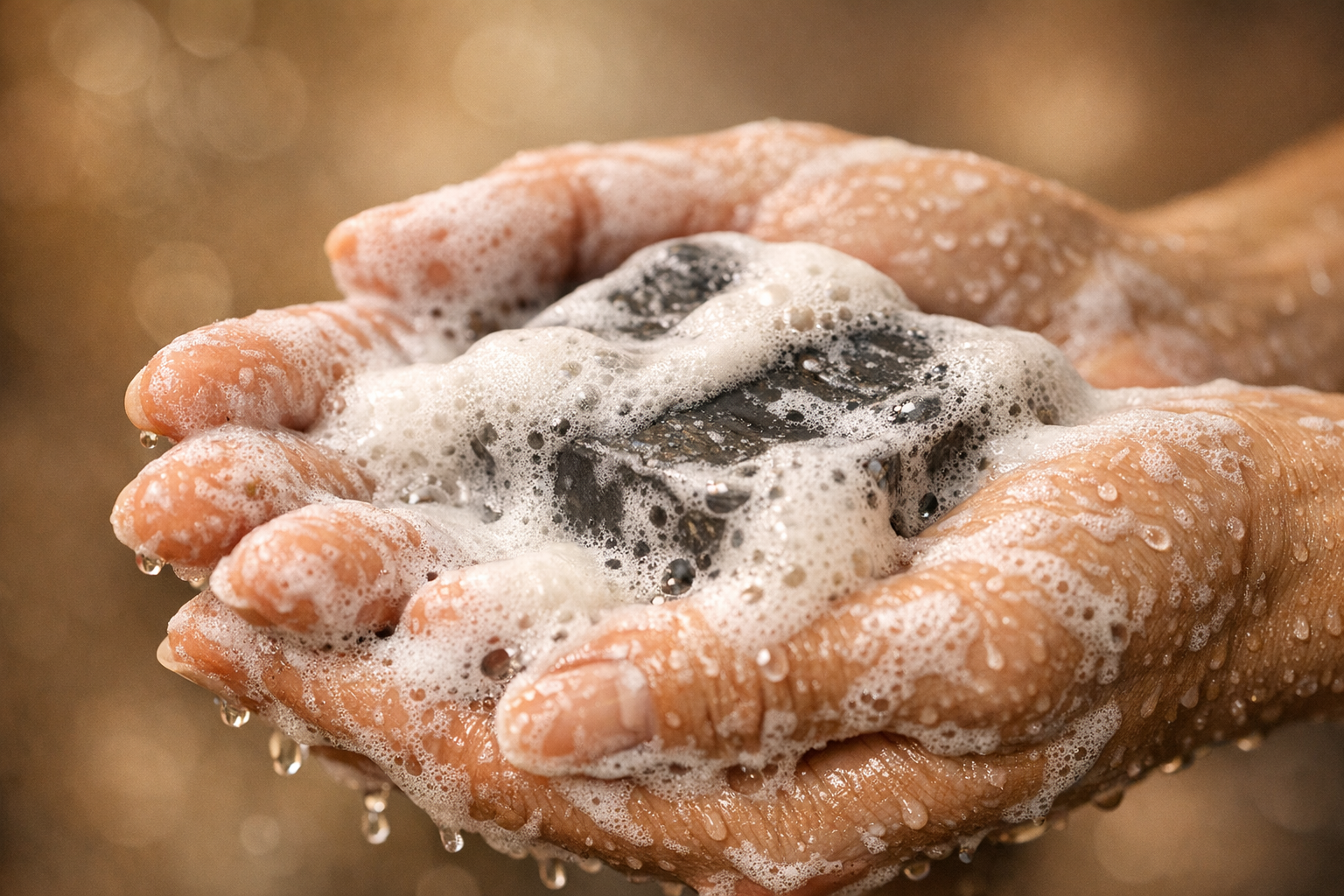
Lather in your hands first. Rather than rubbing the bar directly onto your face, work up a lather in your palms with warm water and apply the foam to your skin. This gives you more control over the amount of product you use and reduces the risk of over-cleansing.
Rinse thoroughly. Because of its mildly alkaline pH, it is important to rinse African Black Soap off completely. Any residue left on the skin can cause dryness or irritation, particularly around the eyes and mouth.
Follow with moisturiser. Even though the shea butter in the soap provides some moisturisation, always follow with a good natural moisturiser — particularly if you have dry or sensitive skin. This helps restore the skin's pH balance and lock in hydration.
Store it correctly. Traditional African Black Soap is soft and will dissolve quickly if left sitting in water. Keep it on a well-draining soap dish or cut off a small piece to use at a time, storing the rest in a cool, dry place.
Mayka's African Black Soap: Authentic, Ethical, and Effective
At Mayka Skincare, we have been sourcing our African Black Soap from Ghana since the early years of the brand. We believe in using the real thing — soap made the traditional way, by people who have been doing it for generations, using ingredients grown and harvested in West Africa.
Our soap contains no synthetic additives, no artificial fragrance, no SLS, no parabens, and no preservatives. It is 100% vegan, cruelty-free, and plastic-free — entirely in keeping with our commitment to honest, sustainable skincare.
We offer our African Black Soap in two formats:
African Black Soap 100g — a single bar, perfect for trying the soap for the first time or for use as a targeted facial cleanser.
African Black Soap 100g x3 — a three-bar bundle, ideal for whole-body use or for sharing with family members. The best value option for committed users.
Frequently Asked Questions
Is African Black Soap suitable for all skin types?
African Black Soap is suitable for most skin types, including oily, combination, acne-prone, and sensitive skin. Those with very dry skin may find it slightly drying if used daily without a good moisturiser, but the shea butter content makes it considerably gentler than most commercial soaps. If you have a known allergy to any of its ingredients (shea, palm kernel, cocoa), please check the full ingredient list before use.
Can I use African Black Soap on my face?
Yes. Many people use African Black Soap as their primary facial cleanser. Start with every other day to allow your skin to adjust, and always follow with a moisturiser. Avoid the eye area, as the mildly alkaline pH can cause irritation if it comes into contact with the eyes.
Why does African Black Soap look uneven and crumbly?
The irregular texture and colour of authentic African Black Soap is a sign of its natural, handmade origin — not a quality defect. Each batch is slightly different depending on the specific ash composition, the season, and the artisan's technique. This variability is part of what makes it genuinely traditional. Mass-produced imitations that look perfectly uniform and smooth are almost certainly not the real thing.
Does African Black Soap help with acne?
Research supports the use of African Black Soap for acne-prone skin. Its lauric acid content provides antibacterial activity against Cutibacterium acnes, while its saponins help regulate sebum without harsh stripping. The anti-inflammatory compounds from shea butter and cocoa-derived polyphenols help reduce the redness and swelling associated with active breakouts. Many users report clearer skin within four to six weeks of consistent use.
Is Mayka's African Black Soap vegan?
Yes. Our African Black Soap is 100% vegan, cruelty-free, and free from any animal-derived ingredients. It is also plastic-free — we ship it without plastic packaging, in keeping with our commitment to sustainable beauty.
The Bottom Line
African Black Soap is not a trend. It is not a novelty ingredient that will disappear from shelves in two years. It is a centuries-old formulation that has been refined by generations of West African artisans, and it works — for reasons that modern science is now beginning to fully understand.
If you are looking for a cleanser that is genuinely natural, genuinely effective, and genuinely honest about what it contains, African Black Soap deserves a place in your routine. And if you want the authentic Ghanaian version — not a synthetic imitation — you can find it at Mayka Skincare.
References: Physicochemical and phytochemical properties of African Black Soap — Scientific African, 2021 (PMID 33571401). User attitudes toward African Black Soap for dermatological conditions — PMC5605219. Anti-inflammatory effects of shea butter — PubMed (PMID 22499721). Natural skin-care products: The case of soap made from cocoa pod husk potash — Asian Journal of Research in Chemistry. Plantain peel as a source of antioxidant dietary fibre — PMC4573141. Cleveland Clinic Health Essentials: African Black Soap Benefits for Skin.


Comments